
Training for Sensitive, Hot & Forward Horses
Helping responsive horses find confidence, balance, and a productive place for their energy.
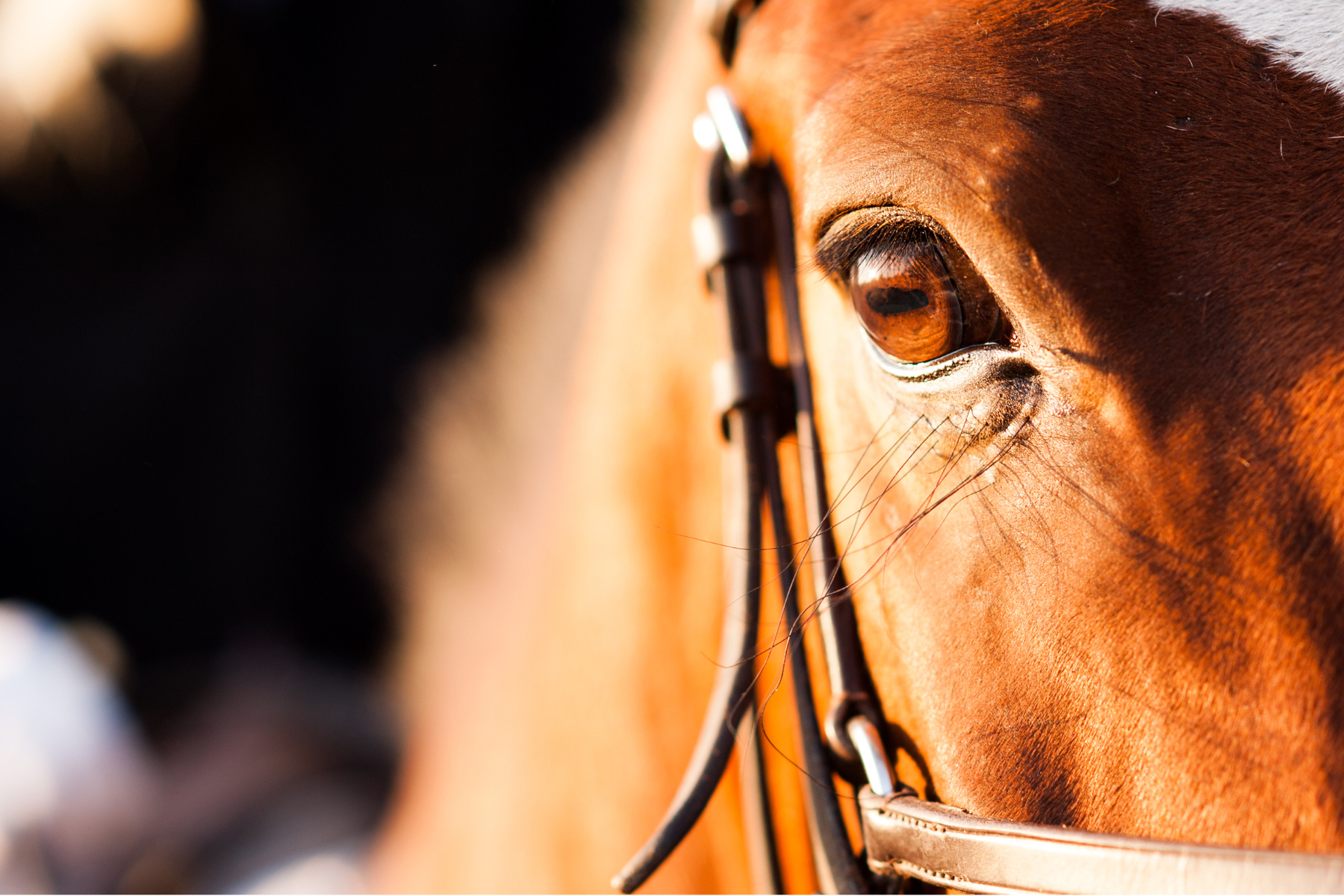
Some horses experience the world more intensely. They notice more, respond more quickly, and may become tense or overwhelmed when they do not understand what is being asked of them.
They may be described as sensitive, anxious, reactive, hot, or simply as having “more go than whoa.”
These qualities are not necessarily flaws to eliminate. Sensitivity can become responsiveness. Forward energy can become impulsion. Awareness can become attentiveness. With clear, thoughtful training, these horses can learn to feel more secure in their work without losing the qualities that make them special.
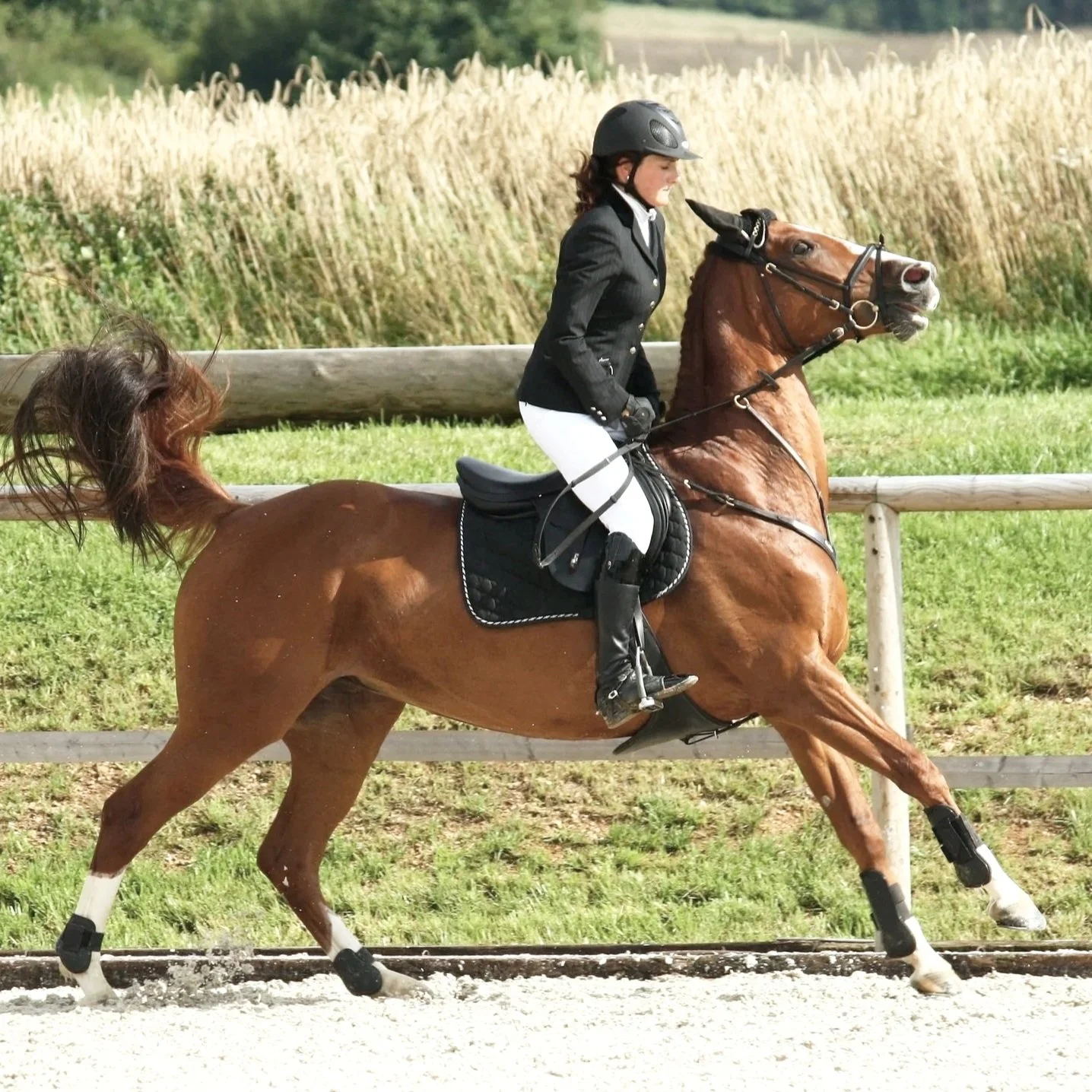
Living with a sensitive or forward horse can be rewarding, but it can also leave an owner feeling unsure about what to do next.
Your horse may:
Rush or become quick when they feel uncertain
Struggle to regulate their pace or energy
Become tense in new environments
Overreact to small changes, movements, or aids
Anticipate what is coming instead of waiting for direction
Feel very different at home than they did when purchased
Become increasingly anxious when the rider becomes tense
Have difficulty returning to a relaxed, thinking state after becoming worried
Seem to need constant management rather than becoming more independent
When slowing down requires more and more restraint, or every ride feels like a negotiation, it is easy for both horse and rider to lose confidence.
The answer is not always to make the horse tired, use stronger equipment, or suppress their energy. Lasting improvement begins by understanding what is driving the response and giving the horse clearer, more consistent ways to succeed.
When every response feels bigger than expected
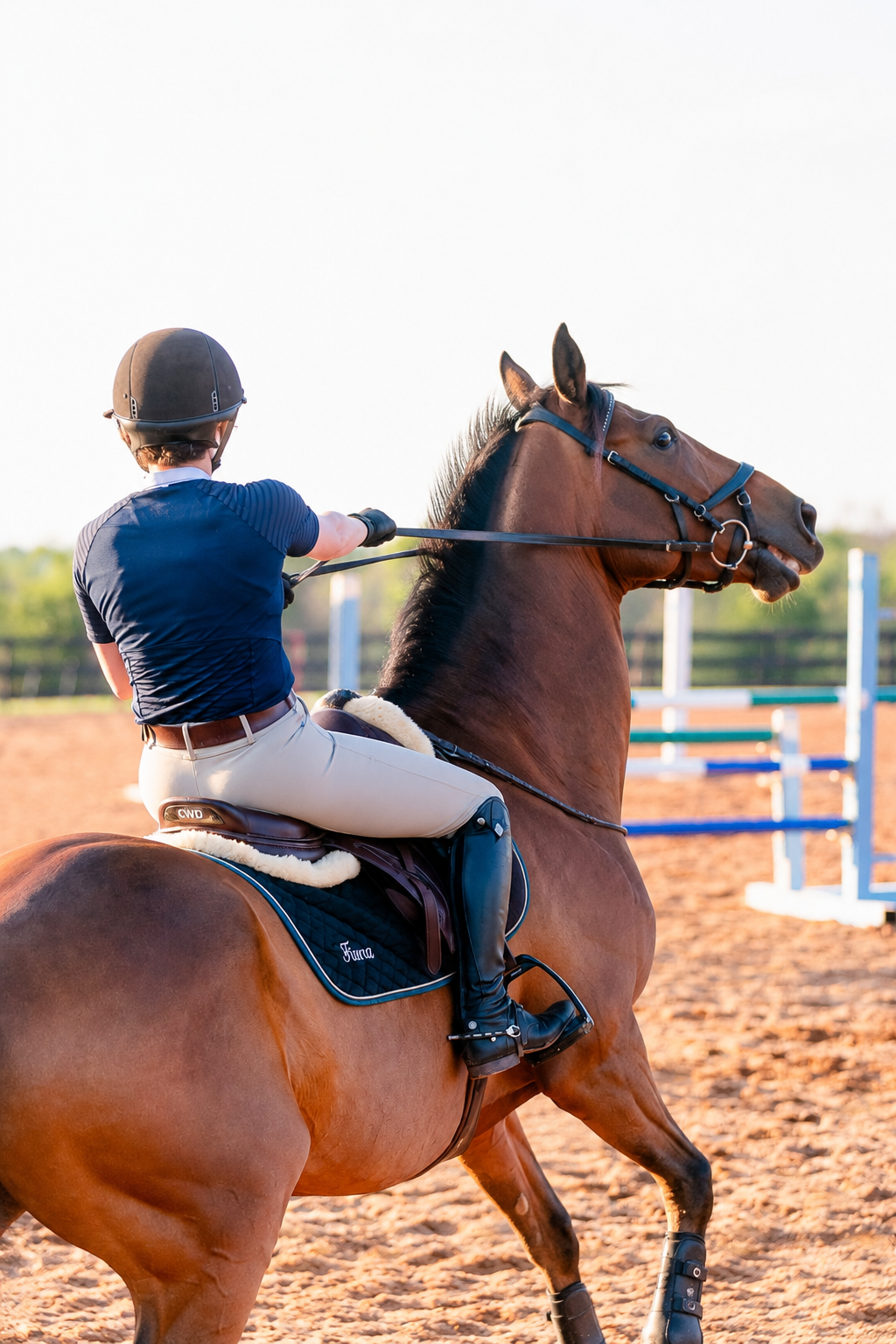
A sensitive horse often provides immediate feedback. They tell us when communication is unclear, when their balance is changing, when tension is building, or when a question has become too difficult.
Rather than treating every reaction as disobedience, I look for the reason behind the response.
Is the horse confused? Unbalanced? Anticipating pressure? Physically uncomfortable? Lacking a foundational skill? Responding to tension from the rider? Or simply processing the environment in the way a naturally alert horse does?
Not every anxious or reactive response is solely a training issue. When appropriate, owners may be encouraged to consult their veterinarian or other qualified care professionals to investigate discomfort, saddle fit, dental concerns, or other factors that could be affecting the horse.
Understanding the source of the behavior allows us to create a training plan that is fair to the horse and more likely to produce lasting change.
Sensitivity is information
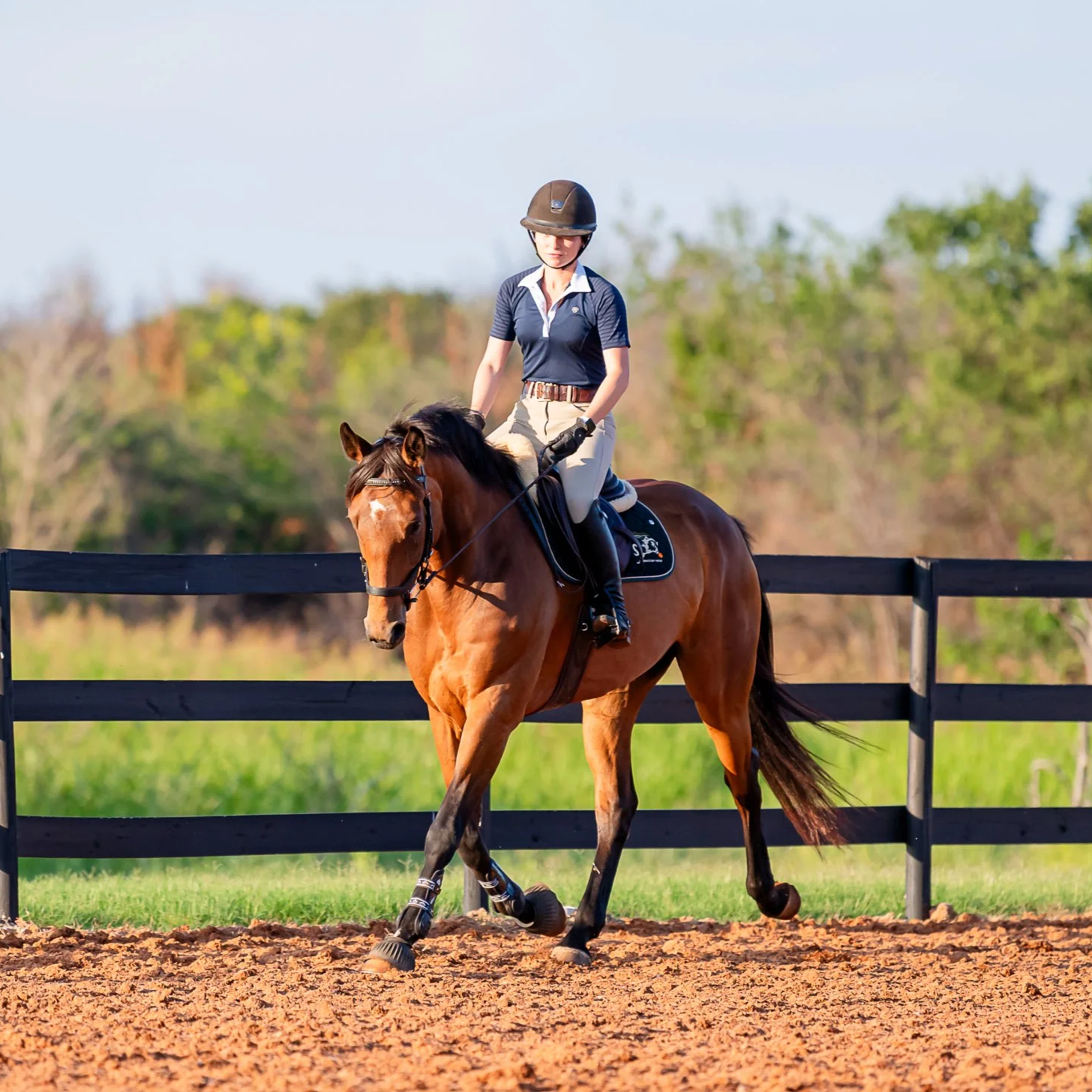
Training should not take away a sensitive horse’s responsiveness or personality.
The goal is to help the horse remain mentally present, organize their body, and respond thoughtfully even when their energy increases. Through progressive, consistent work, the horse learns that forward does not have to mean faster, and sensitivity does not have to become anxiety.
Training may focus on:
Establishing clear and predictable communication
Helping the horse wait for and understand the rider’s aids
Developing rhythm, balance, and straightness
Teaching the horse to regulate pace without constant restraint
Redirecting nervous energy into purposeful work
Building confidence through appropriate preparation and repetition
Improving the horse’s ability to recover after tension or uncertainty
Developing responses the owner can understand and reproduce
Creating greater rideability without diminishing the horse’s natural sensitivity
Progress is not measured by whether a horse never becomes worried or energetic. It is measured by the horse’s growing ability to stay connected, return to the conversation, and work through challenges with confidence.
The goal is regulation—not dullness
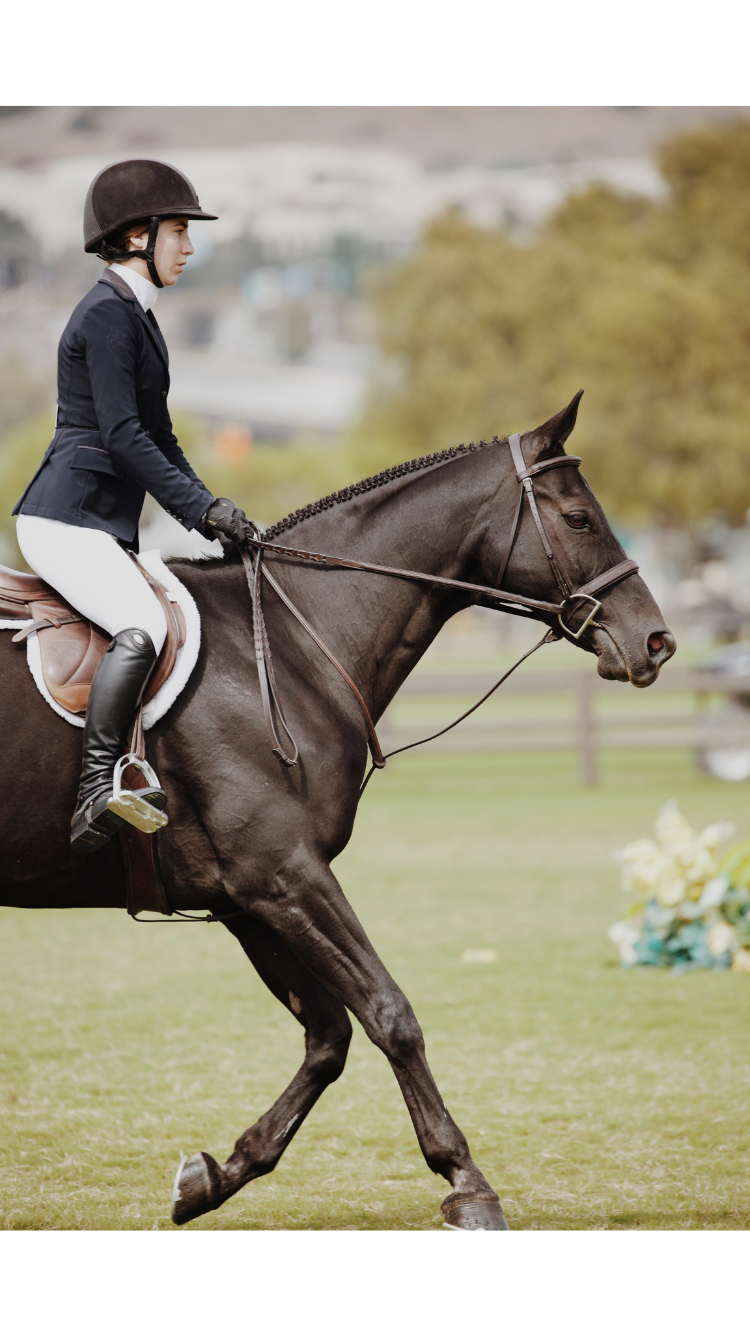
Sensitive horses are highly aware of the person working with them. They often notice changes in balance, timing, tension, and intention before less responsive horses would.
For that reason, lasting progress cannot depend entirely on the professional trainer’s ride. The owner also needs to understand what helps the horse feel clear and successful.
As the horse develops, the owner may need support learning how to:
Recognize tension before it becomes a larger reaction
Give quieter, more consistent aids
Support forward energy without becoming restrictive
Respond calmly when the horse feels uncertain
Reproduce the communication established during training
Advocate for the horse while still setting clear expectations
The aim is a partnership in which the owner feels more capable, the horse feels more secure, and neither has to rely on escalating pressure to be understood.
Training the partnership—not just the horse
Is this the right kind of training for your horse?
This approach may be a good fit if your horse is naturally sensitive or forward, becomes anxious or reactive in their work, or feels like more horse than you expected when you purchased them.
It may also be appropriate when you value your horse’s intelligence and energy but need help developing those qualities into confidence, balance, and rideability.
Every horse’s situation is different. Training recommendations are made after learning about the horse’s history, current behavior, the owner’s experience, and the goals for the partnership.
Let’s talk about your horse
If you are wondering whether Whole Heart Equestrian is the right fit for you and your horse, I invite you to start a conversation.
Tell me about your horse, what you are experiencing, and what you hope will become possible. From there, we can discuss an appropriate training approach, current availability, and pricing.