
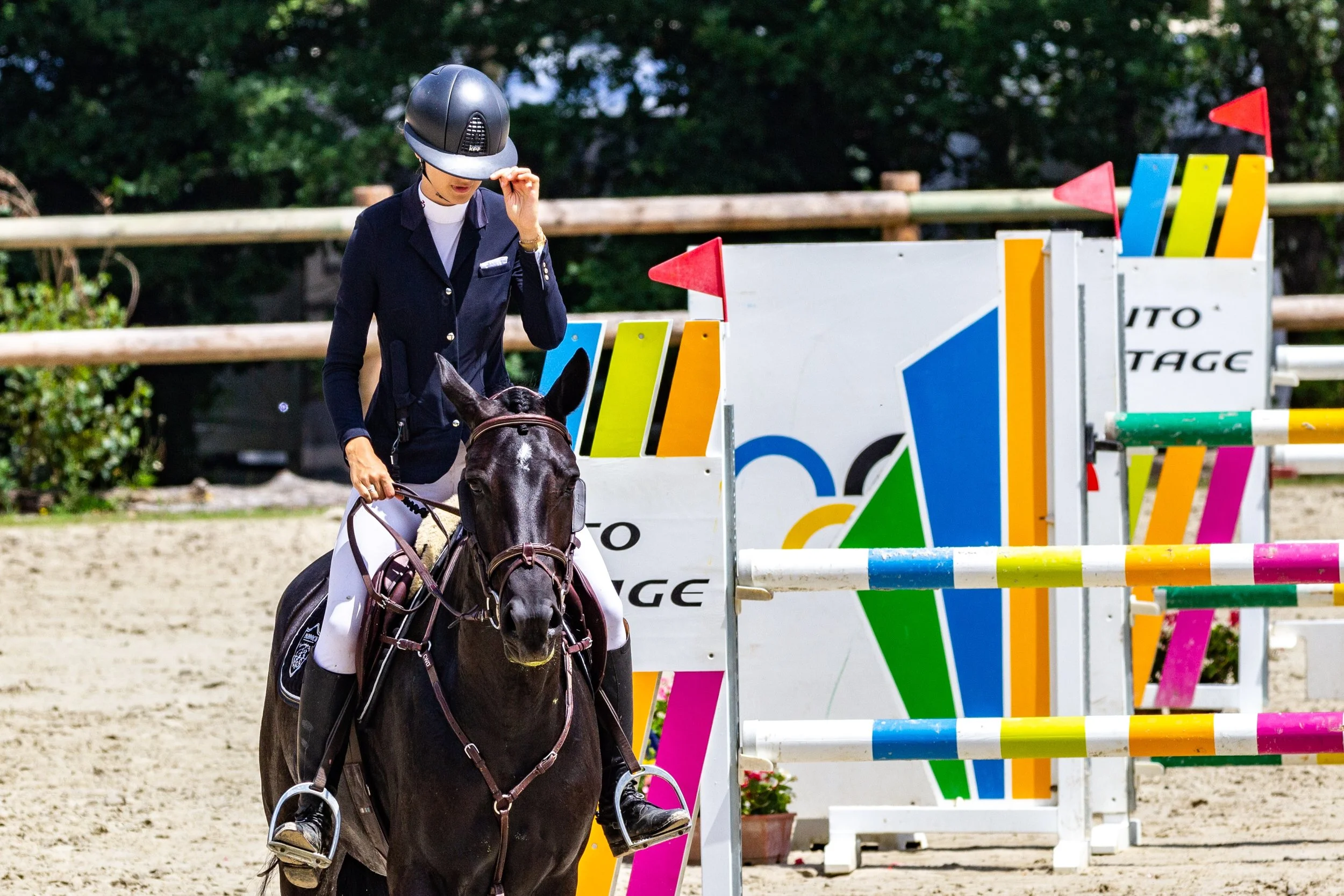
Confidence is a skill - not a personality trait
Confidence is a skill - not a personality trait. Like every riding skill, it can be learned, practiced, and strengthened over time.
Every rider experiences moments of doubt. Sometimes it follows a fall or a difficult ride. Sometimes it appears when entering the show ring or when the pressure to perform begins to outweigh the joy of riding. It's easy to believe that confidence is something you're either born with or without. We believe something different. Confidence is a skill—not a personality trait. Just like posting the trot, seeing a distance to a fence, or developing an independent seat, the mental skills that support confident riding can be learned, practiced, and strengthened. Our lessons intentionally develop those skills long before riders need them under pressure, so they can step into the show ring with greater trust in themselves, their preparation, and their partnership with their horse.
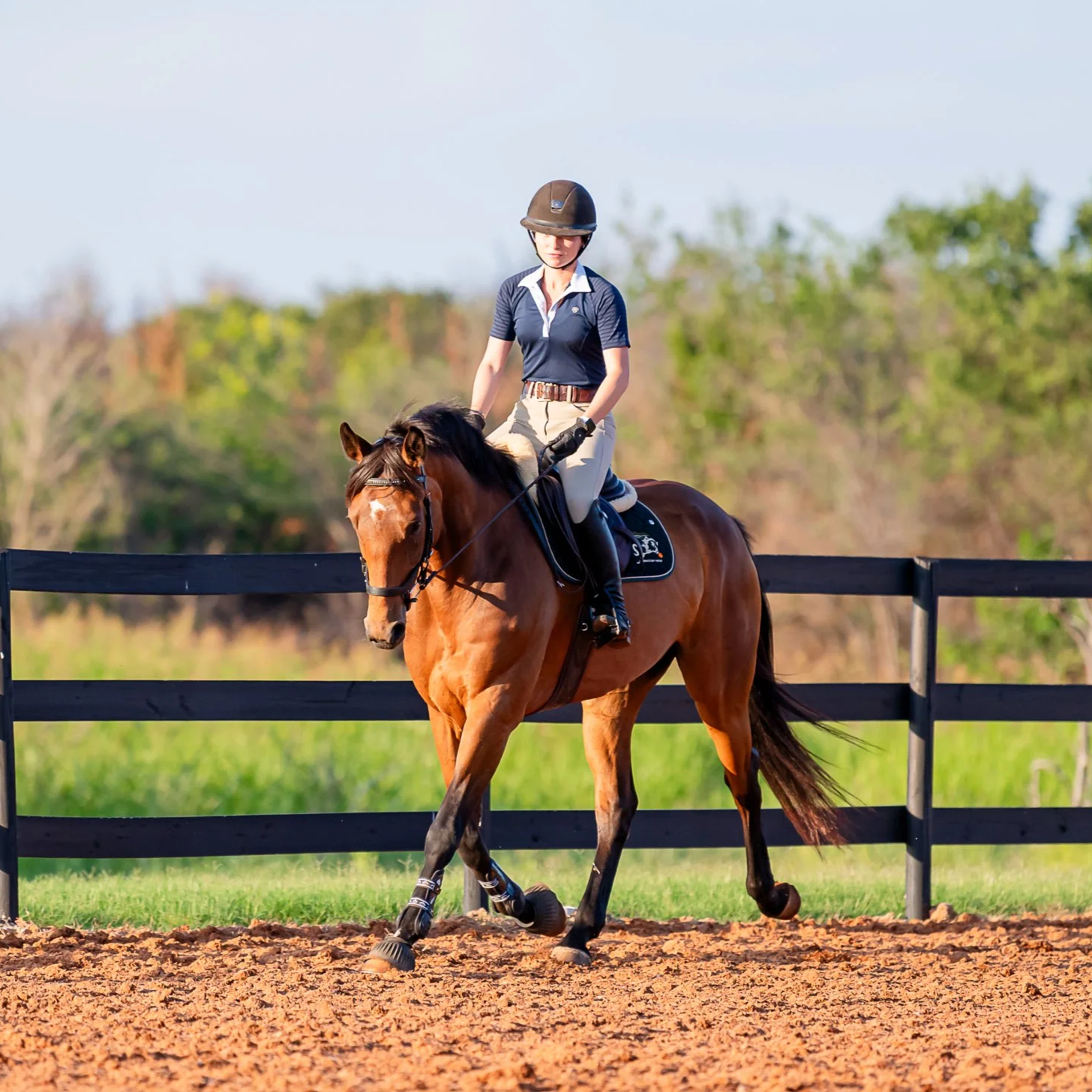
Confidence Is Built, Not Demanded
Every rider has heard it at some point: "Just relax," "Don't overthink it," or "Be more confident." While well-intentioned, advice like this often leaves riders feeling frustrated because confidence isn't something we can simply decide to have.
At Whole Heart Equestrian, we believe confidence is a skill—not a personality trait. Like learning to post the trot, develop an independent seat, or see a distance to a fence, confidence is built through thoughtful practice, repetition, and experience. As riders gain understanding, develop new skills, and experience success one step at a time, confidence grows naturally.
Our role isn't to convince riders they should feel confident. It's to create the learning experiences and provide tools that allow confidence to develop on its own.
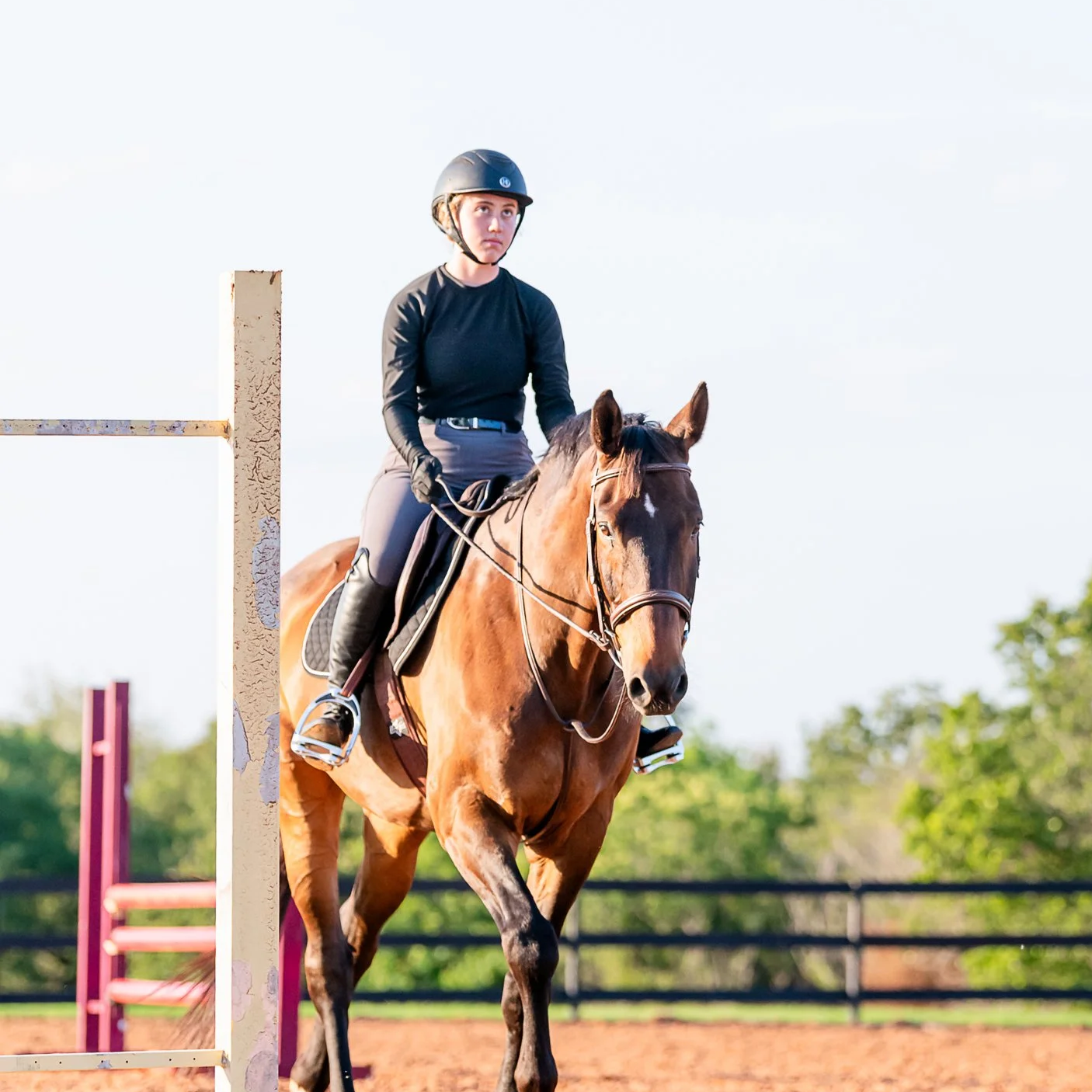
Practice Before the Pressure
Every rider spends time practicing technical skills at home before asking themselves to perform those skills in the show ring. We believe mental skills deserve the same intentional approach.
Managing nerves, recovering from mistakes, maintaining focus, adapting to unexpected situations, and trusting your preparation are all skills that can be practiced long before the stakes feel high. Lessons provide the ideal environment to develop these habits, allowing riders to build new ways of thinking and responding through consistent practice.
Just as repetition creates stronger muscle memory, it also strengthens the mental habits that support confident riding. By practicing these skills in everyday lessons, riders are better prepared to rely on them when the pressure increases—whether at a horse show, a clinic, or any challenging riding situation.
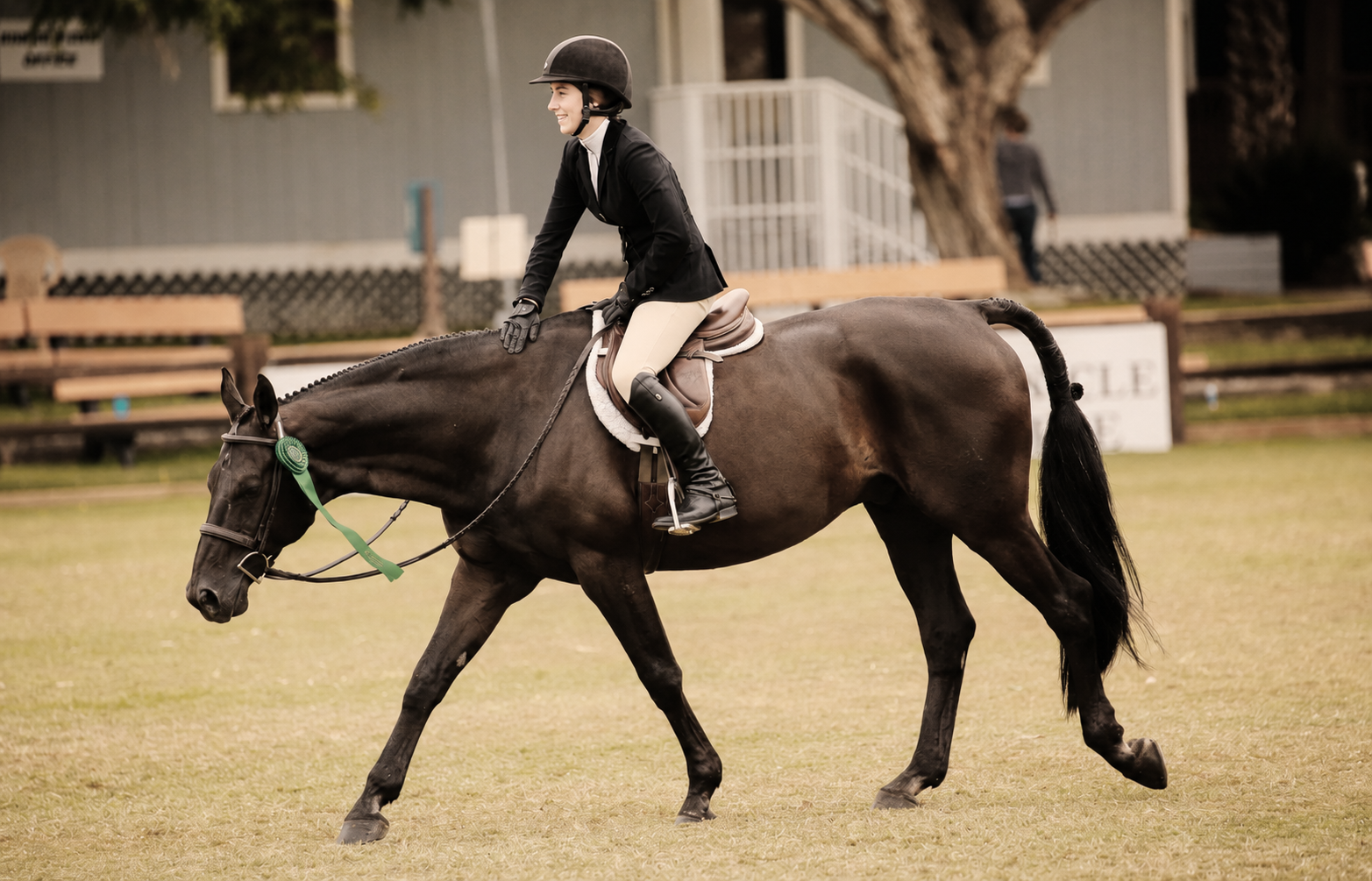
It’s not about the ribbon. It’s about the ride.
It's a phrase our riders hear often because it reminds us what horse shows are really for. While ribbons are exciting to earn, they aren't the measure of success. At Whole Heart Equestrian, we believe horse shows are an important part of a rider's education—not because winning is the goal, but because they provide learning opportunities that simply can't be recreated at home.
Horse shows ask riders to apply everything they've been developing in lessons. They learn to prepare thoughtfully, adapt to unfamiliar environments, manage their emotions, recover from mistakes, and reflect on their performance with curiosity rather than criticism. Every experience, whether it goes exactly as planned or not, becomes valuable information for continued growth.
Success isn't measured solely by placings or ribbons. It's measured by the quality of the preparation, the partnership with the horse, the decisions made in the moment, and the lessons each experience provides. When riders begin to see horse shows as opportunities to learn rather than tests to pass, the pressure begins to shift—and that's where real confidence can grow.
Because in the end, it's not about the ribbon. It's about the ride.
Frequently Asked Questions
Common Questions about Confidence & Performance
-
Absolutely. Almost every rider experiences nerves at some point, whether it's their first show or their hundredth. Nerves aren't a sign that you're unprepared—they're a normal response to doing something that matters. Our goal isn't to eliminate nerves completely, but to help riders develop the skills to manage them so they can stay focused on the ride rather than the pressure.
-
Yes. At Whole Heart Equestrian, we believe confidence is a skill—not a personality trait. Just like learning to post the trot or see the distance to a fence, confidence develops through preparation, repetition, reflection, and positive experiences. It isn't something you're born with; it's something you build.
-
This is one of the most common challenges riders face. Horse shows introduce unfamiliar horses, environments, schedules, distractions, and expectations that naturally increase pressure. Rather than seeing this as failure, we see it as valuable information. Together, we'll identify what changed, develop strategies to address it, and use each experience as an opportunity to continue growing.
-
Losing confidence after a fall, an unexpected situation, or a difficult season is more common than many riders realize. Rebuilding confidence doesn't happen overnight, and it rarely happens by simply trying to "be brave." We take a thoughtful, progressive approach that helps riders rebuild trust in themselves, their horse, and their skills one step at a time.
-
No. Horse shows are never a requirement. However, we do encourage riders to consider showing as part of their long-term development because they provide valuable learning opportunities that are difficult to recreate in everyday lessons. Whether you choose to compete or not, we'll support your individual goals and help you continue developing as a rider.
-
We believe horse shows are an extension of the learning process. They allow riders to apply the technical and mental skills they've been developing in lessons while gaining experience in new environments. Success isn't defined solely by ribbons or placings, but by thoughtful preparation, good horsemanship, resilience, and the lessons each experience provides.
-
Preparation begins long before show day. We intentionally incorporate both technical riding skills and mental performance skills into everyday lessons, helping riders practice focus, adaptability, emotional regulation, and recovery from mistakes in a supportive environment. By the time riders enter the show ring, they're not trying these skills for the first time—they're learning how to trust the ones they've been building all along.